

When people research Endolift they usually focus on the laser. The device matters, but the person holding the fibre matters more. Endolift is minimally invasive, not surgery, yet it still involves working beneath the skin with a heat source, close to structures that can be injured. This article explains why the practitioner's training and judgement affect both your safety and your result, and what to look for. It is written by a surgeon, so it is fair to say there is a point of view here. The reasoning is set out so you can judge it for yourself.
What the practitioner is actually doing
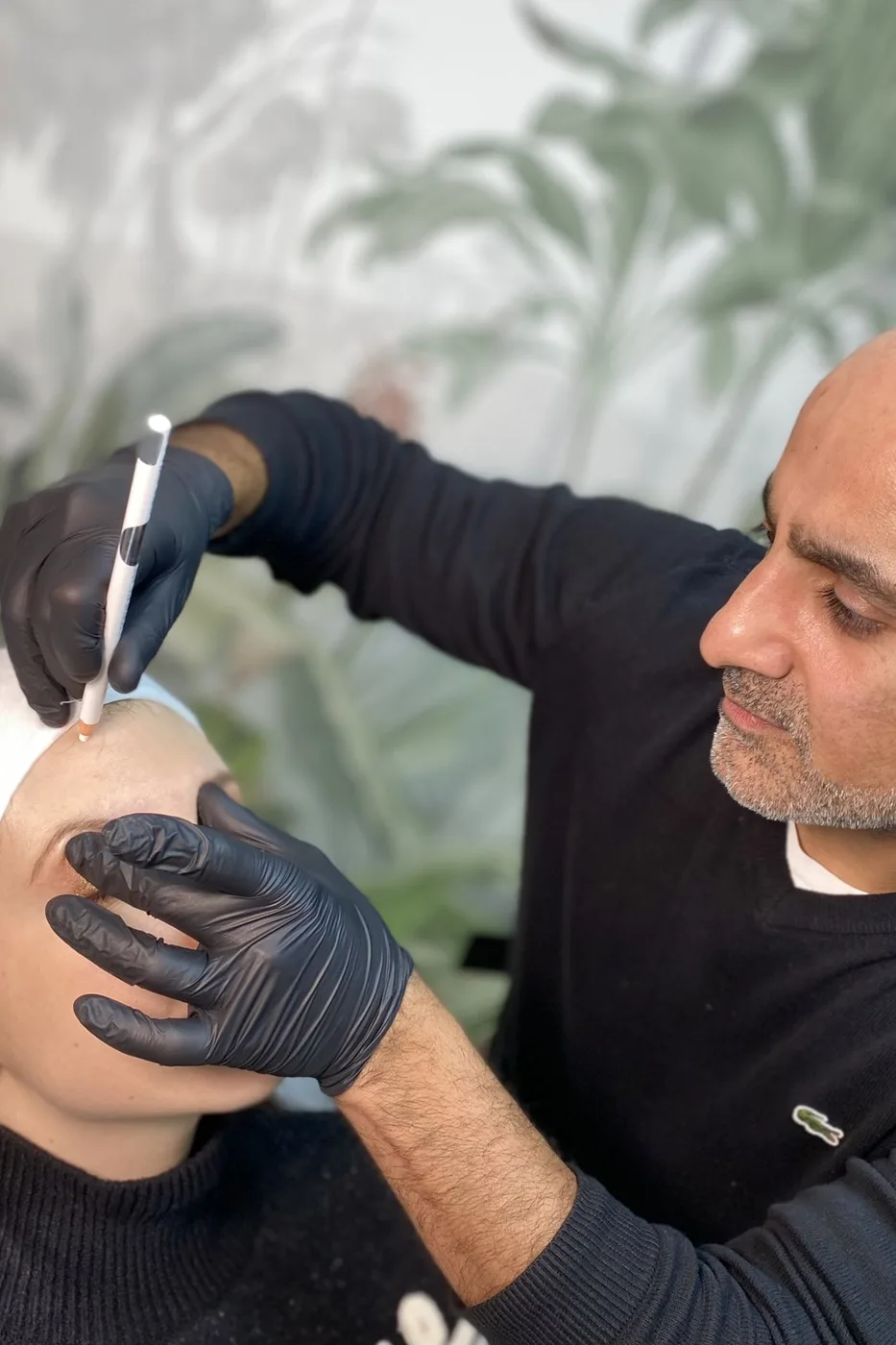
During Endolift a fibre 200 to 600 microns wide is passed beneath the skin through a tiny entry point, after local anaesthetic. The practitioner moves the fibre through the tissue while the 1470 nm laser heats water and fat. The aim is to contract the fibrous septa under the skin, liquefy small fat deposits where needed, and start collagen remodelling.
The practitioner decides where the entry points go, which depth to work at, how much energy to deliver to each part of the area, and when to stop. Those decisions are made continuously over the 60 to 90 minutes of treatment. They are not fully controlled by the machine.
Anatomy: the main reason it matters
The face and neck are crowded with structures that are easy to injure if you do not know exactly where they are.
- Nerves. Along the jawline runs the marginal mandibular nerve, which controls the lower lip. Heat or trauma near it can cause temporary weakness and an uneven smile.
- Blood vessels. Working too close to vessels increases bruising and bleeding.
- Fat layers. Removing too much fat, or removing it unevenly, can leave hollows or irregularity that are hard to correct.
- Skin. Heat delivered too close to the surface, or for too long in a single spot, can cause burns.
A plastic surgeon spends years learning these layers in 3 dimensions, in the operating theatre, on real patients. That knowledge does not promise a good outcome, but it lowers the chance of the complications that come from heat going to the wrong place.
Patient selection: knowing when not to treat
Many disappointing Endolift results are not complications at all. They happen because the treatment was used on someone it could not help. Endolift suits mild to moderate laxity and small fat pockets. It does not suit heavy, hanging skin, large volumes of fat or a face that has lost volume.
A practitioner who also understands surgical options is more likely to tell you honestly when a facelift, neck lift or another approach would serve you better, and less likely to offer Endolift simply because it is the treatment on the menu. You can read more about the limits at who should not have Endolift and Endolift compared with a facelift.
Managing problems if they happen
Even with careful technique, uncommon complications can occur. What matters then is recognising them early and knowing how to respond. The table below shows why medical training helps.
| Situation | What experience helps with |
|---|---|
| Possible burn | Recognising it early, wound care and knowing when to refer |
| Change in the smile | Understanding which nerve is involved and what recovery to expect |
| Signs of infection | Assessing promptly and prescribing treatment where needed |
| Irregularity or lumps | Telling normal firmness from a true contour problem, and planning correction |
| Medical history issues | Judging clotting, autoimmune or scarring conditions safely |
For a plain explanation of what is normal afterwards, see Endolift side effects: what is normal and what is not.
How to check who will treat you
Whatever clinic you are considering, these checks are simple and reasonable.
- Ask for the name of the person who will perform your treatment.
- If they are a doctor, ask for their GMC number and look them up on the medical register.
- Ask about their training, especially in facial anatomy or surgery.
- Ask how many Endolift treatments they have done on your area.
- Ask who will see you if you have a problem afterwards, and how to reach them.
- Make sure you meet the treating practitioner before you commit, not only on the day.
Dr Seth's view "The laser is a tool. What decides the outcome is choosing the right patient, knowing exactly where the nerve runs along the jaw, and being willing to treat conservatively. When I train other doctors, that judgement is the part that takes longest to learn."
About Dr Rohit Seth
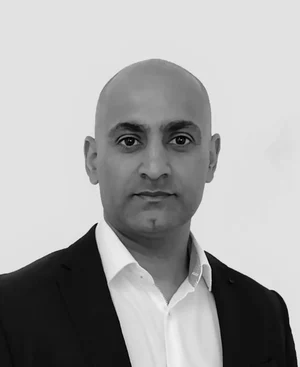
At TK Medispa every Endolift treatment is performed by Dr Rohit Seth, MD, MRCS(Ed), PhD, GMC 5207029. He is a plastic and aesthetic surgeon and medical director at TK Medispa. He trained in plastic surgery at UK hospitals including Guy's and St Thomas', Frenchay in Bristol, Queen Victoria Hospital in East Grinstead, Charing Cross, Great Ormond Street and the Royal Marsden. He holds a PhD from the Institute of Cancer Research, London, has over 25 published papers and was formerly a visiting professor at the University of Bologna. He is an Endolift trainer and Key Opinion Leader, and trains other doctors in the technique. You can read more on his profile page.
Next step
If you would like Dr Seth's personal opinion on whether Endolift would help you, send 3 photos (front, left and right, in natural light) for his free assessment. He reviews every set himself. Send your photos to Dr Seth.
Questions people also ask
Can a nurse or aesthetician perform Endolift?
Practices vary between clinics. What matters most is that the person treating you understands facial anatomy, has been properly trained on the genuine device, can assess suitability honestly and can manage complications. Ask who will treat you, what their training is and who takes responsibility if something goes wrong.
Does a surgeon performing Endolift mean no complications?
No. Surgical training lowers the risk of some complications and helps if problems arise, but it does not remove risk. Swelling, bruising and numbness are expected, and rarer risks such as burns or temporary nerve weakness can still occur. Results also vary between individuals.
Why does the doctor's experience matter for the jawline?
The marginal mandibular nerve runs along the lower jaw and controls the lower lip. Heat or trauma near it can cause temporary weakness and an uneven smile. Knowing exactly where it lies, and adjusting technique around it, is a key part of treating the jowls and jawline safely.
This article is general information, not personal medical advice. Results vary between individuals and are not guaranteed. Endolift® and LASEmaR® are registered trademarks of Eufoton® S.r.l.